Decoding Doggy Cues: Proactive Stress Management During Grooming
Learn to read subtle dog body language during grooming to proactively manage stress, prevent escalation, and ensure a safer, calmer experience for pets and groomers.
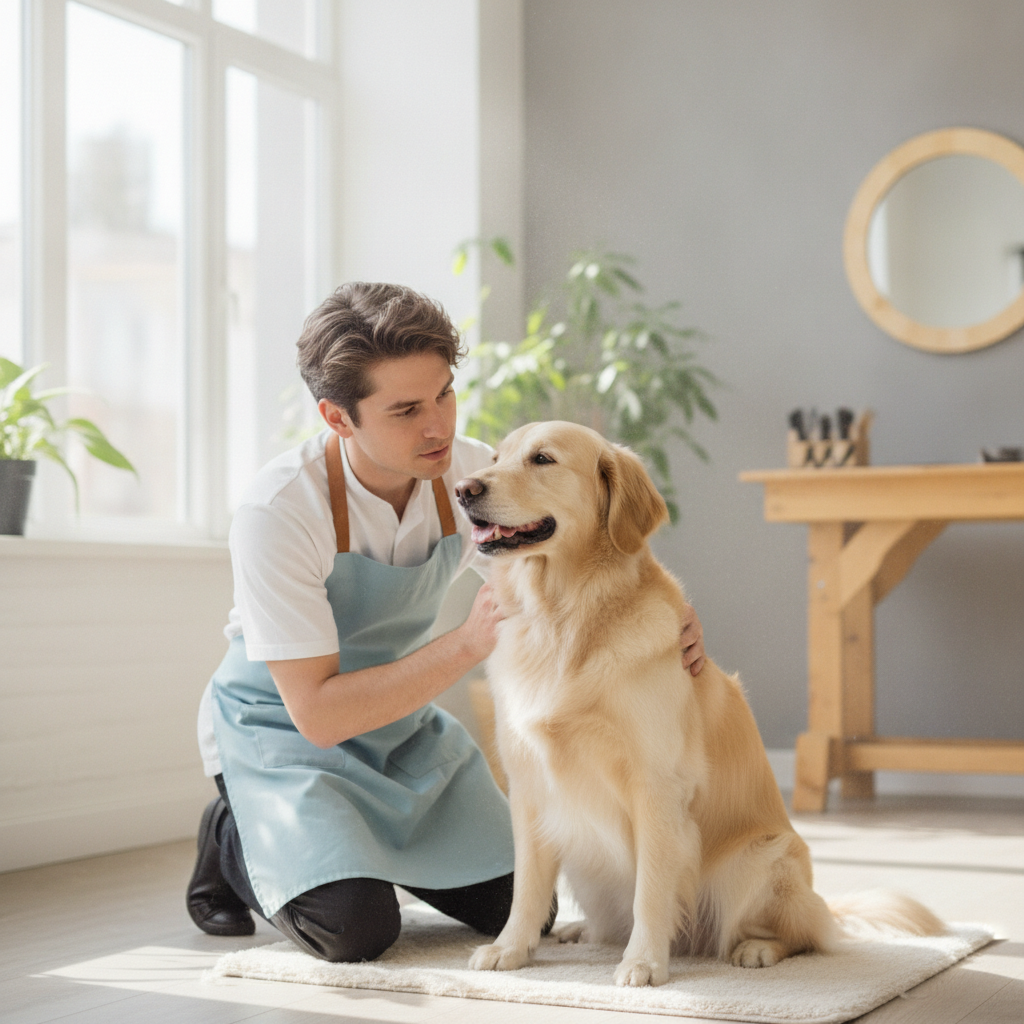
Introduction: Beyond the Clip, Understanding the Bark
As professional pet groomers, your role extends far beyond making pets look their best. It's about ensuring their comfort and safety throughout the grooming process. Dogs cannot vocalize their feelings in words; their body language is our primary means of understanding their emotional state. Proactively identifying and managing stress during a groom not only prevents incidents but also builds a profound trust with both the pet and its owner. This article will guide you on how to become your canine client's best listener, nipping stress in the bud right on the grooming table.
The Silent Language: Recognizing Early Stress Signals
Dog stress signals are often subtle and easily overlooked. Learning to catch these 'whispers' is the first step in proactive stress management. These signs are usually continuous and multi-faceted, rather than isolated behaviours.
- Lip Licking or Yawning: These can indicate anxiety or discomfort, not just hunger or tiredness.
- Head Turning or Averting Gaze: The dog is attempting to disengage from direct interaction or a perceived stressor.
- Stiff Body Posture or Tense Muscles: A contrast to relaxed, loose movements, indicating a state of alert.
#Dog Behaviour #Grooming Safety #Stress Management #Pet Welfare #Salon Operations