Decoding Canine Stress Signals: A Groomer's Guide to Fear-Free Practices
Learn to identify subtle canine stress signals and implement fear-free grooming techniques to ensure a safer, more positive experience for both pets and groomers.
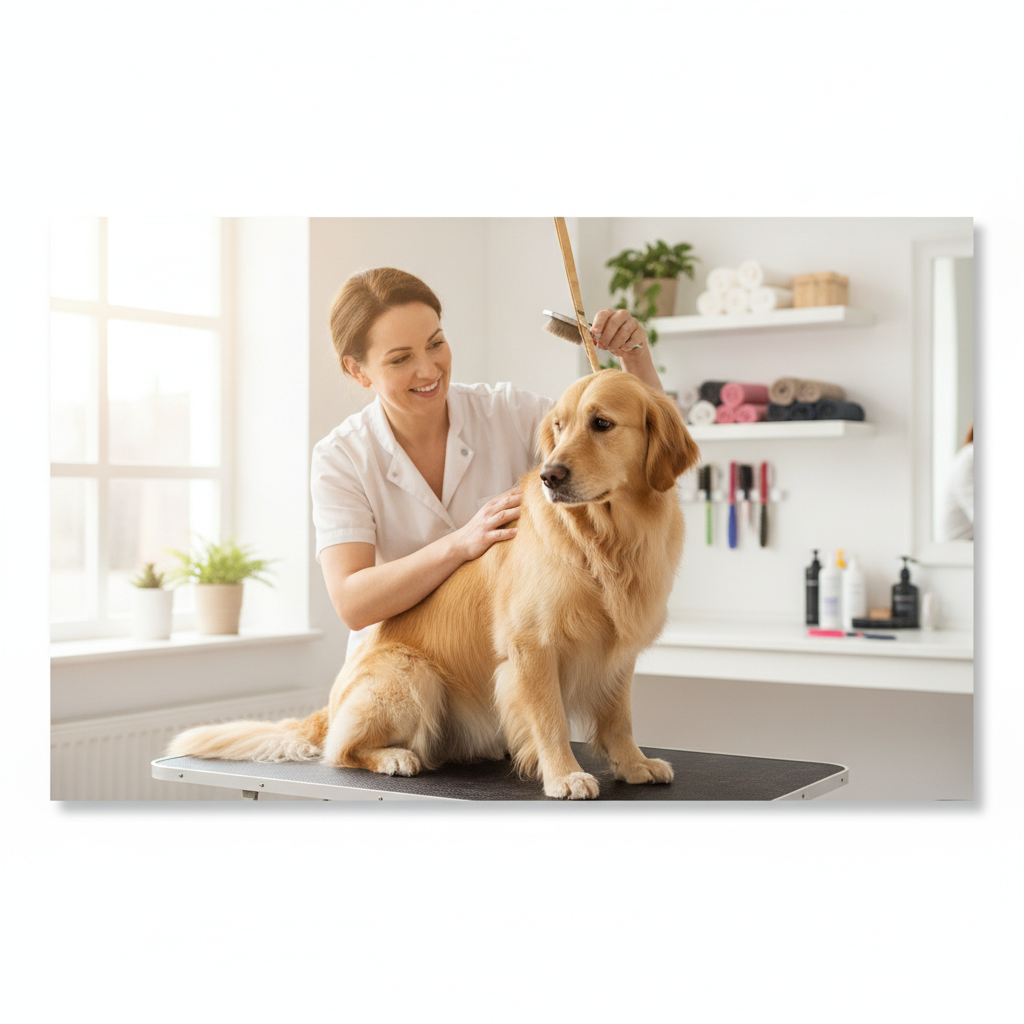
In the bustling environment of a Hong Kong pet grooming salon, understanding canine behaviour goes beyond simply managing a dog on the table. It's about building trust and ensuring a positive experience. Dogs communicate primarily through body language, and subtle stress signals often go unnoticed, leading to escalating anxiety, potential aggression, and a less efficient grooming process. As professional groomers, mastering the art of decoding these signals is paramount for a "fear-free" approach.
Why Stress Signals Matter in Grooming
A dog experiencing stress or fear during grooming is not only uncomfortable but also poses a higher risk of injury to themselves or the groomer. Recognizing and responding to these signals early can de-escalate anxiety, foster a sense of security, and transform a potentially traumatic experience into a manageable, even pleasant one. This proactive approach also enhances client trust and loyalty.
Common Canine Stress Signals to Watch For
- Subtle Cues:
- Lip Licking: Often quick and subtle, not necessarily related to food.
- Yawning: When not tired, can indicate stress or appeasement.
- Turning Head Away/Avoidance: A desire to disengage or avoid direct eye contact.
- Body Shakes/Tremors: Can be very slight, especially in specific areas.
- "Whale Eye": When the whites of the eyes are visible, usually at the sides.
- Panting: Without physical exertion or heat, can indicate anxiety.
- Slightly Tucked Tail: Not fully between the legs, but lower than neutral.
- Moderate Cues:
- Stiffening Body: Lack of fluidity in movement.
- Ears Pinned Back: Flattened against the head, indicating fear or submission.
- Lowered Body Posture: Trying to appear smaller.
- Reluctance to Move/Freeze: A common stress response, often before flight or fight.
- Excessive Shedding: An involuntary physiological response to stress.
- Overt Cues (Requires immediate action):
- Growling, Snapping, Biting: Clear warnings that boundaries are being crossed.
- Lunging/Escaping: Attempting to flee the situation.
- Hackles Raised: Hair standing up on the back of the neck or spine.
Implementing Fear-Free Grooming Techniques
Once you identify stress signals, adjust your approach:
- Slow and Gentle Movements: Avoid sudden, jerky motions. Move deliberately and calmly.
- Calm and Soothing Voice: Speak in a soft, reassuring tone. Avoid loud noises.
- Short Sessions and Breaks: For anxious dogs, break up the grooming into shorter, manageable segments with brief rest periods.
- Positive Reinforcement: Use high-value treats (if permitted by owner) and praise for calm behaviour. Pair positive associations with handling.
- Comfortable Environment: Ensure the grooming area is clean, well-lit, and quiet. Use non-slip mats on tables.
- Proper Restraint, Not Force: Gentle, secure holding is crucial. Never use excessive force, which can increase fear and injury risk.
- Client Communication: Educate owners about their dog's behaviour in the salon and suggest ways they can help (e.g., desensitization at home). Discuss pre-grooming options like a short walk or a visit to acclimate.
"A dog's body language is its voice. Listen carefully, and you'll transform their grooming experience."
By prioritizing the dog's emotional well-being, groomers not only enhance safety and efficiency but also cultivate a reputation for compassionate and expert care. This fear-free philosophy benefits the dog, the groomer, and ultimately, the salon's long-term success.
#Dog Behavior #Fear-Free Grooming #Stress Signals #Groomer Safety #Client Education