Beyond the Obvious: Proactive Risk Assessment for Subtle Hazards in Pet Grooming Salons
Learn to identify and mitigate subtle, often overlooked hazards in pet grooming salons, from air quality to noise and pet stress, enhancing overall safety.
Beyond the Obvious: Proactive Risk Assessment for Subtle Hazards in Pet Grooming Salons
When we think about safety in a pet grooming salon, our minds often jump to cuts, slips, or equipment malfunctions. However, true comprehensive safety management extends far beyond these immediate concerns. Many potential hazards are subtle and environmental, easily overlooked. For groomers and salon owners in Hong Kong, proactively identifying and mitigating these 'unseen' risks is crucial for safeguarding pets, staff, and your business's reputation.
The Unseen Environment: Air Quality & Ventilation
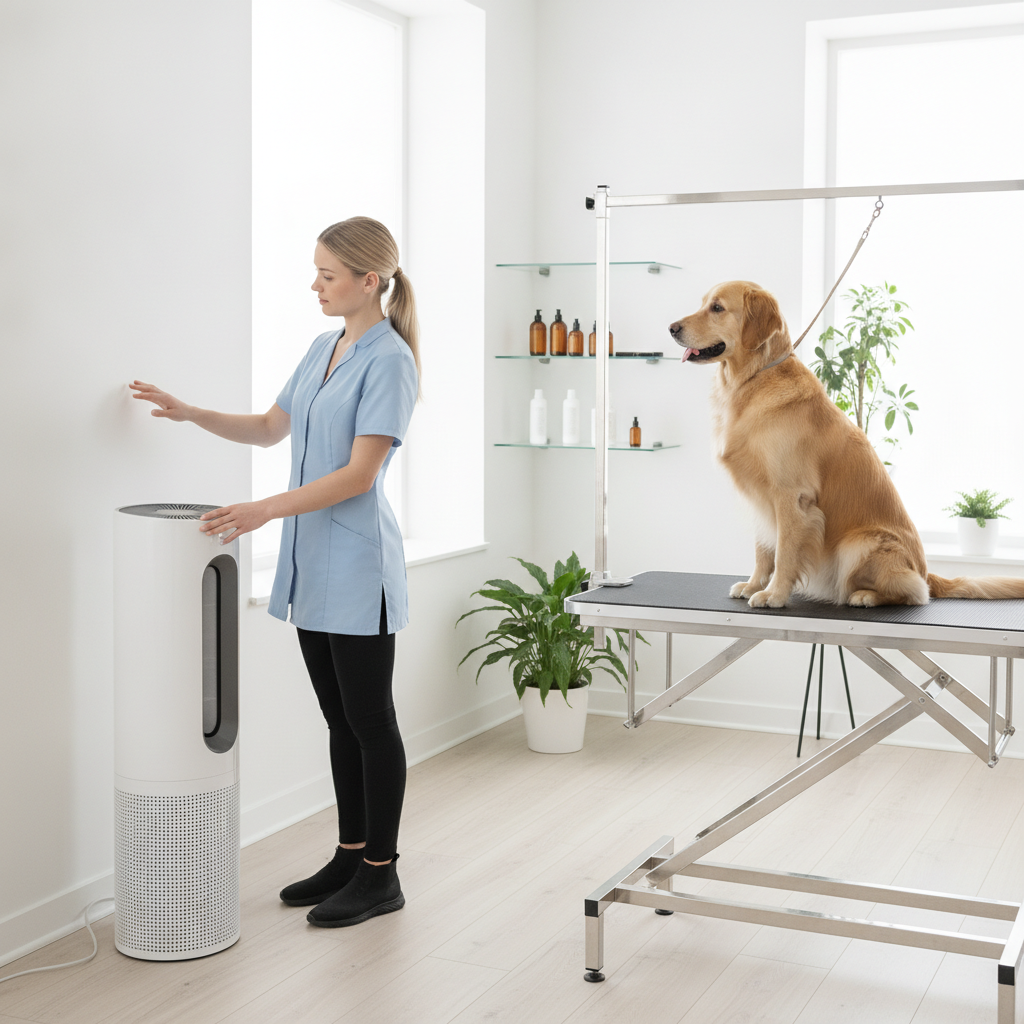
The air quality in a grooming salon directly impacts the health of both pets and staff. The environment is filled with pet dander, hair, chemical fumes from various shampoos, conditioners, and disinfectants, all of which can be allergens or irritants. Poor ventilation can trap these particles and gases, leading to respiratory issues with long-term exposure. Therefore, ensuring good ventilation, using high-efficiency air purifiers, and properly storing chemical products are indispensable. Opting for low volatile organic compound (VOC) products can also significantly improve the air environment.
Soundscapes and Stress: Noise Management
Pets are highly sensitive to sound. The hum of dryers, the buzz of clippers, and the barking of other pets can transform a grooming space into a high-stress environment. Prolonged noise stress not only makes pets anxious and restless but also increases the likelihood of unpredictable behavior or struggles, thereby elevating the risk of accidents. Salons should consider measures to reduce noise, such as:
- Using quieter models of appliances.
- Staggering grooming appointments or sectioning off high-noise areas.
- Designating 'quiet zones' for resting or initial calming.
- Playing soft, calming music.
- For particularly sensitive pets, consider using pet-specific ear protection.
Temperature Extremes and Comfort
The ambient temperature of the salon is vital for a pet's comfort and health. Hong Kong's hot and humid climate requires particular attention. Overheating can lead to heatstroke, especially for brachycephalic breeds (e.g., French Bulldogs, Pugs) or elderly pets. Conversely, being too cold can cause damp pets to become chilled. Groomers must closely monitor salon temperatures, ensure consistent comfort, and observe pets for signs of distress (e.g., panting, shivering), adjusting as needed.
Subtle Signs of Stress and Health Issues
Beyond overt aggression, many pets exhibit more subtle signs of stress, such as lip licking, yawning, whale eye, tail tucking, or a stiff body. Groomers need to be adept at recognizing these early stress signals to adjust their approach and prevent escalation. Furthermore, during the grooming process, groomers are often the first line of defense in spotting potential underlying health issues (e.g., skin lesions, lumps, lameness). Thorough pre-grooming assessments and clear communication with pet owners are crucial for identifying these issues and recommending veterinary referral, which not only protects the pet but also safeguards the salon from potential disputes.
Staff Training and Awareness
Enhancing staff awareness and their ability to handle these subtle risks is an ongoing process. Regular training should cover pet behavior, environmental safety monitoring, and emergency response procedures. Encourage staff to proactively report any potential risks or unusual observations, fostering an open and supportive safety culture.
By looking beyond the surface and delving into the assessment and management of these subtle yet impactful environmental and behavioral risks, pet grooming salons in Hong Kong can not only significantly elevate their safety standards but also build client trust and provide a healthier, more secure grooming experience for all.
#Pet Safety #Risk Management #Salon Environment #Pet Health #Grooming Best Practices