Beyond the Fluff: Groomers as First-Line Detectors of Pet Skin Conditions
Learn how professional groomers can become first-line detectors of common pet skin conditions, providing invaluable early intervention and client education.
Beyond the Fluff: Groomers as First-Line Detectors of Pet Skin Conditions
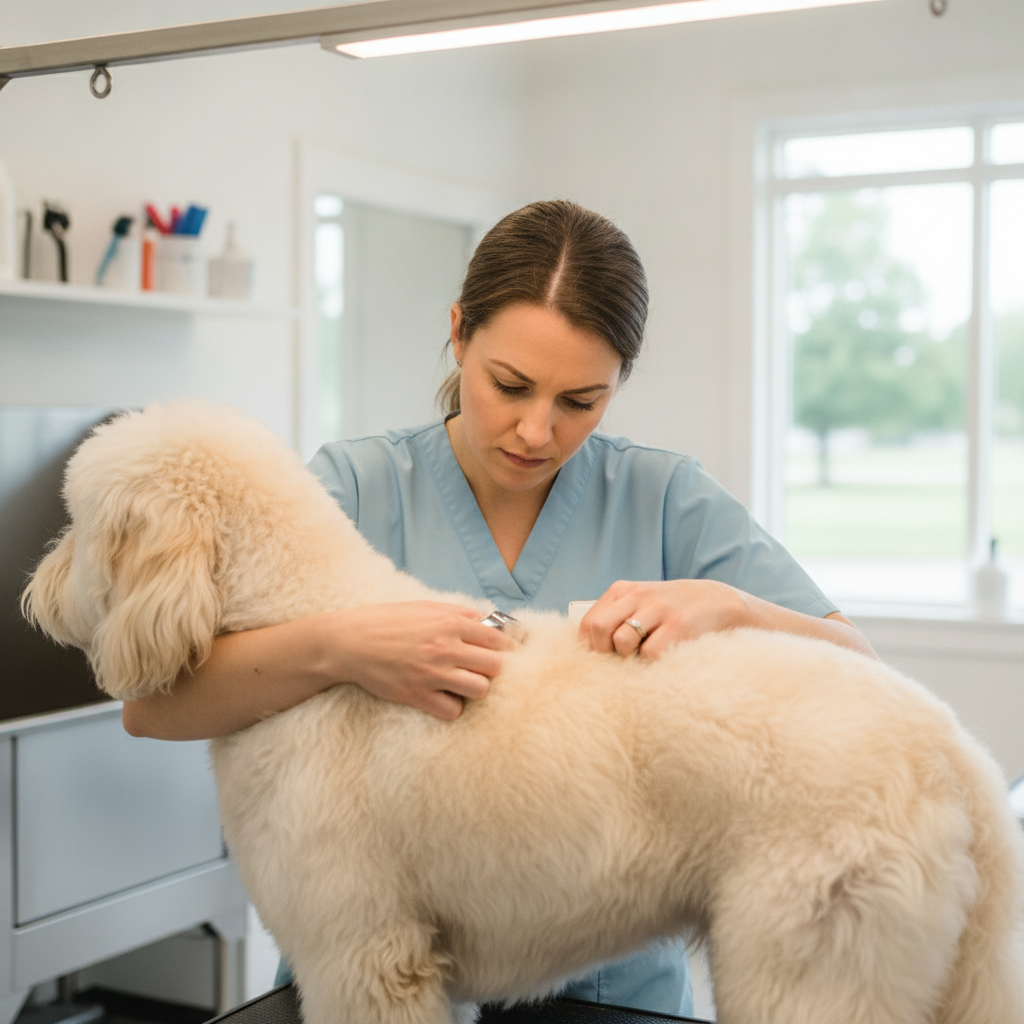
As professional pet groomers, our hands and eyes are often the first to thoroughly examine a pet's coat and skin. Unlike veterinarians who primarily see pets for specific health concerns, we have the unique advantage of regular, hands-on interaction, often uncovering issues before they become severe. This makes groomers invaluable partners in a pet's overall health and wellbeing. Recognizing early signs of skin conditions isn't just about professional diligence; it's about providing a crucial layer of preventative care that can lead to faster treatment and better outcomes for our furry clients.
The Art of Observation: What to Look For
A comprehensive skin check should be an integral part of every grooming session, from initial brush-out to the final towel dry. Train yourself and your team to systematically observe and feel the pet's skin.
- Visual Cues: Look for any changes in skin color (redness, hyperpigmentation), texture (flaky, greasy, bumpy), or hair growth (bald patches, thinning hair). Keep an eye out for scabs, crusts, pustules, excessive dandruff, or any visible parasites like fleas or ticks. Pay particular attention to less visible areas such as the armpits, groin, paw pads, and under the tail.
- Tactile Cues: While bathing and drying, feel for unusual lumps, bumps, swelling, or areas of heat. Does the skin feel excessively dry or unusually oily? Is there any tenderness or discomfort when touched in certain areas?
- Olfactory Cues: Distinctive odors can often signal underlying problems. A yeasty smell might indicate a fungal infection, while a strong, pungent odor could point to bacterial overgrowth or an infection.
Common Conditions and Their Early Indicators
While groomers cannot diagnose, familiarity with common skin issues helps in identifying potential problems:
- Allergies (Environmental/Food): Often manifest as generalized redness, itching, excessive licking/chewing of paws, or recurring ear infections. You might notice dry, flaky skin or hot spots from self-trauma.
- Parasites (Fleas, Ticks, Mites): Flea dirt (small black specks) or the parasites themselves are tell-tale signs. Mites can cause intense itching, hair loss, and scaly skin, particularly around the ears, elbows, and hocks.
- Fungal Infections (e.g., Ringworm): Often appear as circular patches of hair loss, sometimes with redness, scaling, or crusting.
- Bacterial Infections (e.g., Pyoderma): Can present as pustules, scabs, redness, and a sometimes foul odor. Hot spots (acute moist dermatitis) are rapidly developing red, moist, painful lesions often triggered by self-trauma from itching.
- Lumps and Bumps: These could be benign fatty tumors (lipomas), cysts, or more serious growths. Any new or changing lump warrants veterinary attention.
Communicating with Pet Owners
Discovering a potential skin issue requires sensitive and professional communication. Do not diagnose. Instead, calmly describe your observations and recommend a veterinary visit for a professional assessment. For example, "During grooming, I noticed some redness and flakiness on Fido's belly, and he seemed a bit itchy in that area. It would be a good idea to have your veterinarian take a look to ensure everything is okay." Document your findings meticulously, noting the location, size, and nature of any abnormalities, and share this information with the client.
Salon Hygiene and Protocols
Maintaining impeccable salon hygiene is paramount, especially when dealing with potential skin conditions. Thoroughly disinfect all tools and surfaces after each pet, and particularly after grooming a pet with suspected contagious issues. Educate your staff on proper sanitization techniques and the importance of early detection. Establishing clear protocols for reporting and documenting skin abnormalities ensures consistent and high-quality care.
By integrating vigilant skin checks into your grooming routine and educating clients responsibly, you elevate your salon's professional standing and contribute significantly to the health and happiness of the pets in your care. This proactive approach strengthens client trust and reinforces your role as a truly comprehensive pet care provider.
#Skin Health #Pet Grooming #Dermatological Care #Early Detection #Client Communication