Beyond Prevention: Emergency Response Planning for Pet Grooming Salons
Prepare your pet grooming salon for unexpected emergencies. Learn to create and implement comprehensive response plans for pet, staff, and environmental incidents.
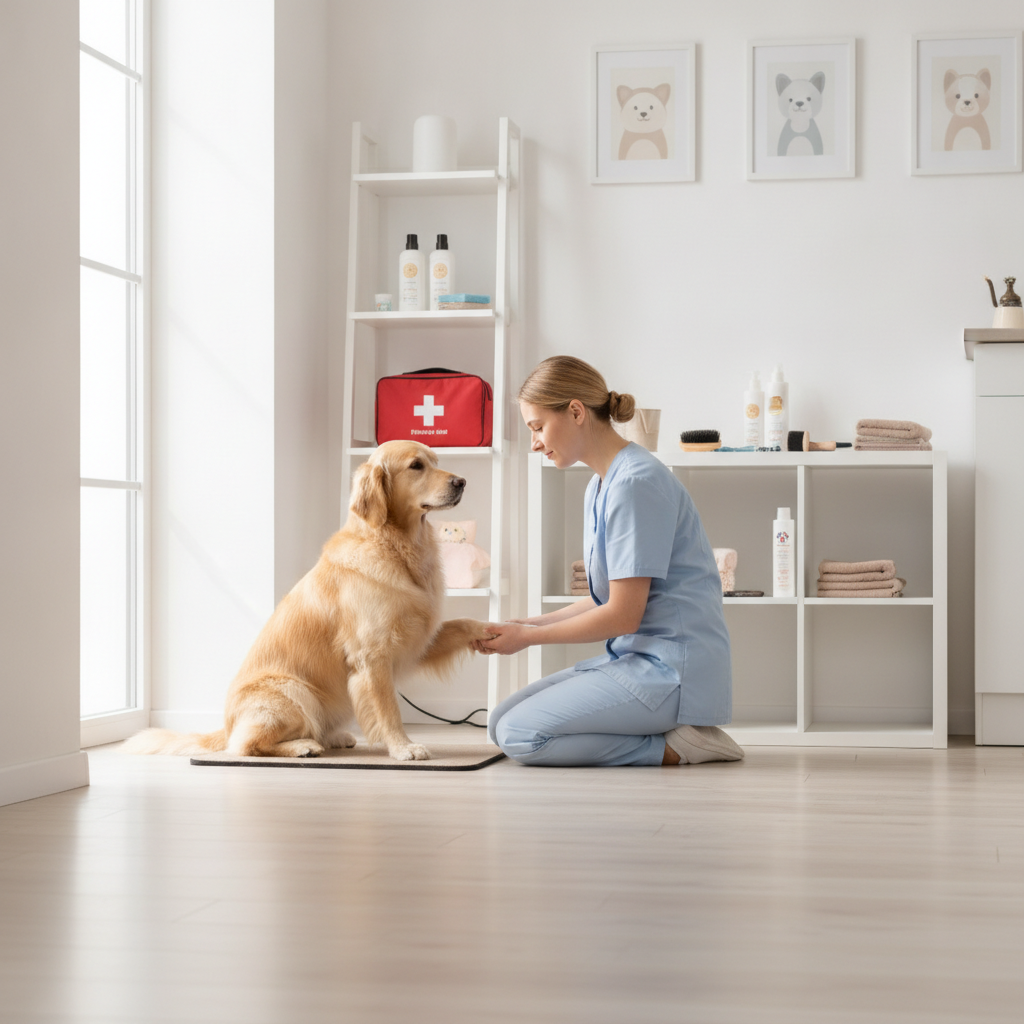
Beyond Prevention: Emergency Response Planning for Pet Grooming Salons
In the bustling environment of a pet grooming salon, while prevention is paramount, unforeseen emergencies can arise without warning. From a pet's sudden health crisis to an accidental injury or an environmental incident, being prepared is not just good practice—it's essential for the safety of pets, staff, and your business's reputation. This article outlines key steps to develop and implement a robust emergency response plan tailored for Hong Kong's pet grooming professionals.
Identifying Potential Emergencies
A comprehensive plan begins with understanding the range of potential incidents. Consider:
- Pet-Related Incidents: Sudden allergic reactions, heatstroke, minor cuts, pre-existing medical conditions flaring up (e.g., seizure), severe stress leading to self-injury, or uncharacteristic aggression.
- Facility Incidents: Fires, floods, power outages, chemical spills, or slip-and-fall incidents involving clients or staff.
- Staff-Related Emergencies: A staff member experiencing sudden illness or injury requiring immediate medical attention.
Key Components of an Effective Emergency Plan
Once potential risks are identified, specific protocols can be developed:
- Comprehensive Staff Training: This is the cornerstone.
- Pet First Aid & CPR: Ensure at least one, ideally all, staff are certified. Regular refreshers are vital.
- Human First Aid: Equip staff with basic human first aid skills.
- Handling Challenging Pets: Train staff on safe restraint and de-escalation methods to prevent injuries.
- Equipment Use: Familiarize staff with fire extinguishers, first-aid kits, and emergency shut-off switches.
- Designated Roles and Responsibilities: Assign specific roles (primary responder, client liaison, evacuation coordinator) to avoid confusion and ensure coordinated effort during an emergency.
- Accessible Emergency Contact Information: Create a clearly visible and easily accessible list including pet owners' contacts, emergency veterinary clinics (24-hour options), local emergency services, and key staff contacts. Update regularly.
- Well-Stocked First-Aid Kits: Maintain separate, clearly labeled kits for pets and humans.
- Pet Kit: Bandages, antiseptic wipes, saline solution, gauze, non-stick pads, tape, scissors, tweezers, styptic powder, a muzzle, and emergency contact info.
- Human Kit: Standard first aid supplies.
- Clear Evacuation Procedures: Establish clear routes and a designated safe assembly point for fires or floods. Practice safely securing and transporting pets, ensuring leashes and carriers are readily available.
- Communication Protocols: Develop a system for promptly and transparently informing pet owners about incidents. Also, establish how to communicate with staff during facility emergencies and when to contact authorities.
Implementing and Reviewing Your Plan
An emergency plan is only effective if regularly practiced and updated. Conduct periodic drills to test staff readiness. After any incident, conduct a post-mortem review to identify improvements and refine your protocols.
Conclusion
Investing time in comprehensive emergency response planning offers invaluable peace of mind. It demonstrates a profound commitment to the welfare of the animals in your care and the safety of your team, strengthening client trust and your salon's professional standing in Hong Kong's competitive pet care market.
#Pet Safety #Emergency Preparedness #Risk Management #Grooming Salon Operations #Crisis Management